

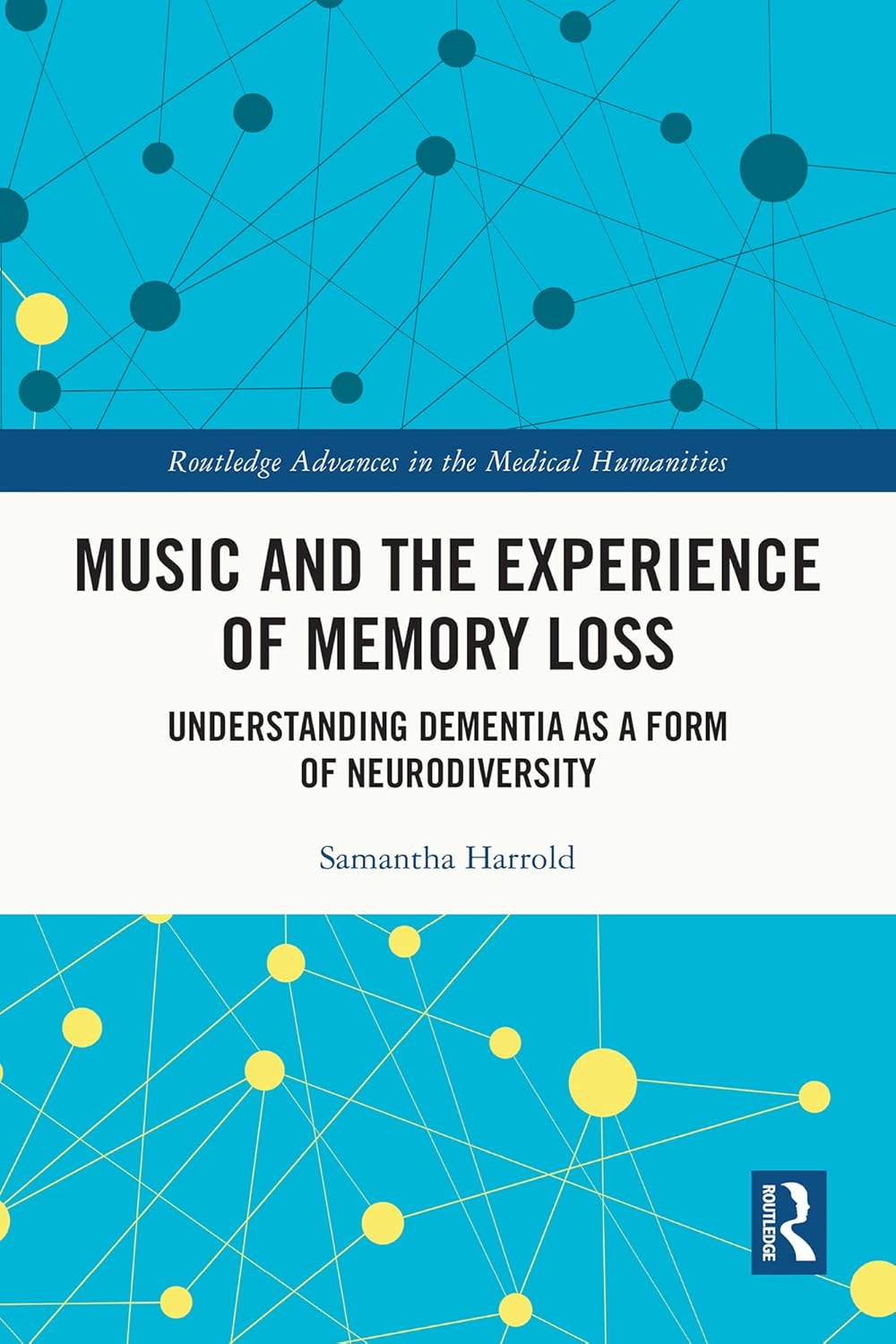
Music and the Experience of Memory Loss: Understanding Dementia as a Form of Neurodiversity (Routledge Advances in the Medical Humanities) (Original PDF from Publisher)
- Format: Publisher PDF
- Posted Date: 26 Apr 2026
- Posted By: AfkEbooks
Specification
| Published Year | 2025 |
|---|---|
| Language | English |
| Publisher | Taylor & Francis |
| Edition : | 1 |
| Format : | Publisher PDF |
| File Size : | 8.8 |
| ISBN : | 9781040423684, 9781040423622, 9781003639657 |
Description
by Samantha Harrold
This book is a creative and critical exploration of the memory loss experience. Drawing on in-depth case studies based on primary research, interviews, approaches from music therapy, and theory from Derrida, Malabou, and Royle, it explores how we might better support people living with memory loss.
Telling the story of an interpretative phenomenological analysis investigation, this innovative book focuses on conversations with ten people living with memory loss in a nursing home, alongside interviews with the pioneering dementia campaigner Wendy Mitchell. The author argues that, for residents who are living with memory loss, both the nursing home environment and the memory loss experience are uncanny. She considers how archival impulses may manifest themselves at the end of life, before exploring theories of both artistic plasticity and neuroplasticity, proposing that the memory loss state might be thought of as a kind of neurodiversity. The book concludes with suggestions for future methods that alleviate disorientation for people living with memory loss and help with acceptance, the reduction of stress, and better outcomes across multiple disciplines and practices, including music therapy, community musicianship, and the nursing home environment itself.
A better understanding of how it feels to live with memory loss is necessary for the development and improvement of practices that are designed to help the memory loss community. This book is an invaluable contribution to research around memory loss, for scholars and practitioners interested in medical humanities, dementia, social care nursing, occupational therapy, and music therapy, among others.
DETAILS
-
Publisher
-
Language
-
ISBN9781040423684, 9781040423622, 9781003639657
-
Original Link
-
Category